









Kasese District has launched a new initiative dubbed the “Kasese Model”, aimed at improving ambulance services and reducing maternal and perinatal deaths through a pooled funding system.
The Kasese District Health Officer, Doctor Amon Bwambale, unveiled the model during a meeting with ambulance management system members at Rwenzori International Hotel Limited.
He explained that the approach requires both public and private health facilities to contribute funds quarterly, based on their capacity, to support fuel for emergency referrals.
Bwambale noted that fuel shortages have long hindered timely ambulance response, especially for expectant mothers in critical condition, revealing that in 2025, about 30 maternal deaths that were reported,13 were due to issues involving referral process.
He emphasized that the funds collected under the Kasese model must strictly be used for saving lives, warning against any form of misappropriation.

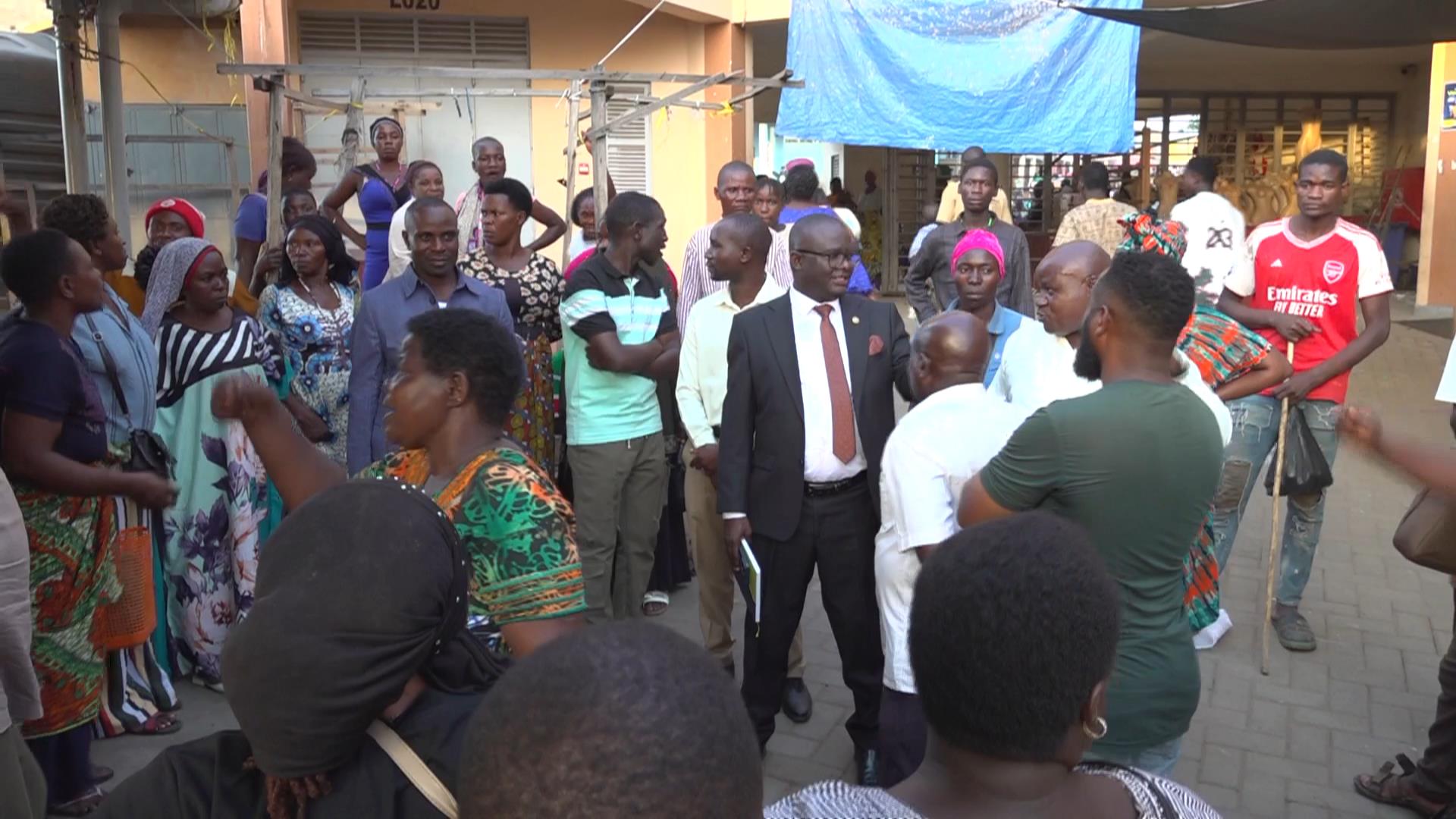
Doctor Amon explains the significance of pooling funds to enhance ambulance services
Health facilities involved in the referral system include Rukoki General Hospital, Bwera General Hospital, Rwesande Health Center IV, Kasese Municipal Council Health Center III, Kyarumba Health Center III, Nyamirami Health Center III, Bwesumbu Health Center III, Hima Health Center III, and Kyondo Health Center III.
Kasese District currently has 9 ambulances—4 public and 5 privately owned—but their effectiveness has been affected by unregulated charges, limited equipment, and operational challenges, says Amon.
Key challenges affecting the model so far include lack of accommodation for ambulance drivers, pressure from non-emergency users competing for fuel resources, and cases of individuals disguising as mothers to access ambulance services.
The “Kasese Model” aims to address these gaps by improving coordination and ensuring timely response to emergencies, with an annual target of supporting at least 300 mothers and 100 newborns.
Kasese District Vice Chairperson, Monday Girivazio Bwambale, called on all health facilities to embrace the initiative, noting that it has already contributed to saving at least 9 mothers.
He reaffirmed the district’s commitment by pledging financial support towards the program.
Meanwhile, Lilian Nakisozi Barungi from ENABEL, an NGO supporting the initiative said they are working closely with the Ministry of Health to reduce maternal deaths in the Rwenzori region.
She stressed the need for well-equipped ambulances, including Type B units, and efficient referral systems and other reliable means of transport to facilitate swift referrals.
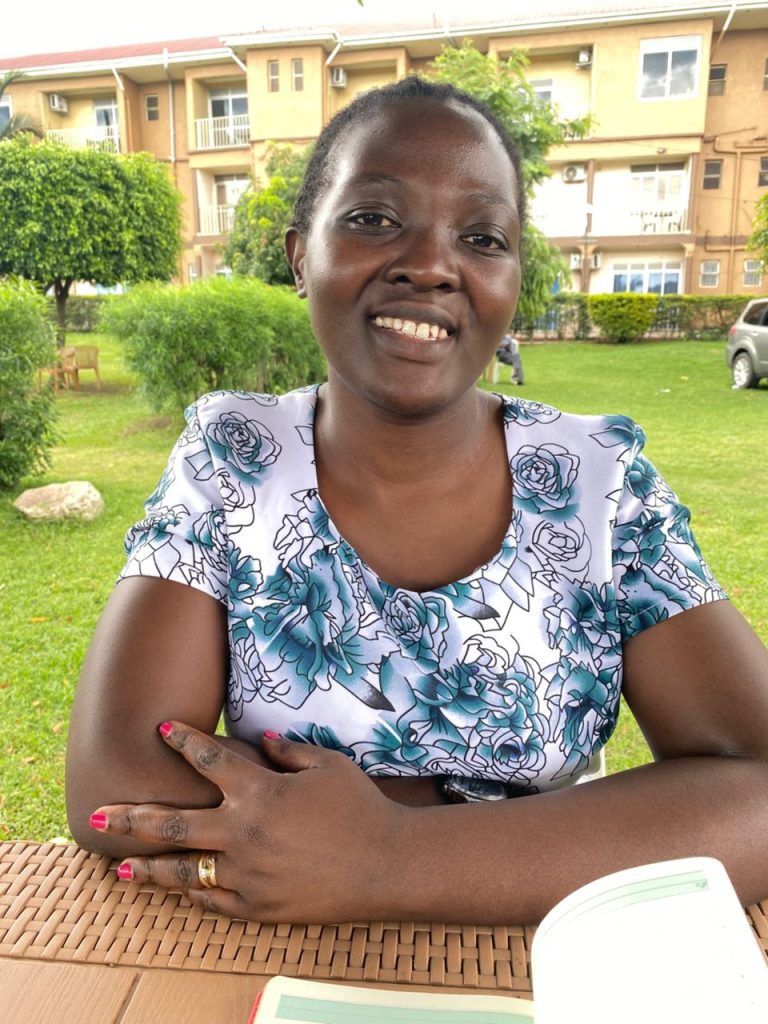
Lilian Nakisozi Barungi, team member of ENABEL
Nakisozi also highlighted the “three delays” that contribute to maternal mortality: delay in deciding to seek care, delay in reaching a health facility, and delay in receiving adequate care upon arrival, urging expectant mothers to seek medical attention early to avoid complications.
She further noted that the government has provided a toll-free emergency number, 912, to improve coordination of referrals, with district health offices playing a central role in managing the system.
In addition, the NGO Babies and Mothers Alive(BAMA) is supporting maternal health efforts by providing free transport services for pregnant women.
The organization work with selected motorcyclists to support transportation of pregnant mothers to health facilities in different sub-counties including Mahango, Kyarumba, Bwesumbu, and Karusandara among others to facilitate quicker access to health facilities.
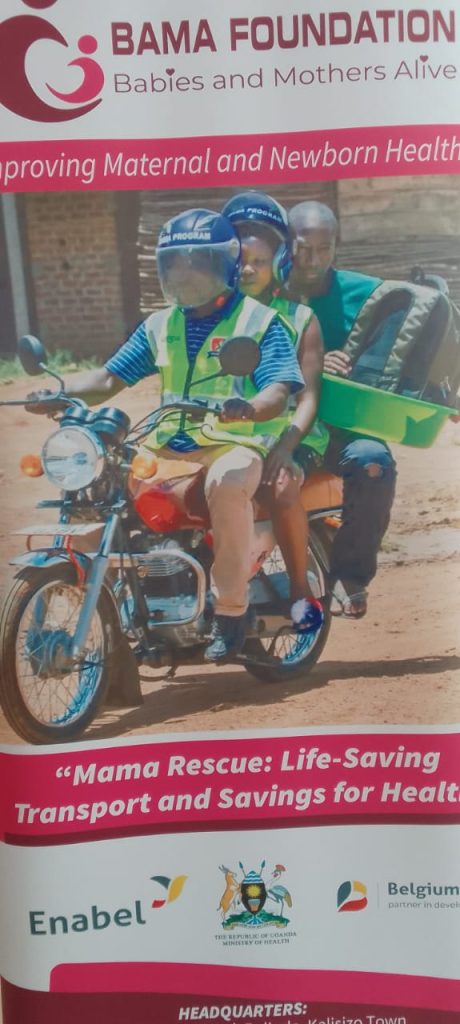
Pregnant mother transported on motorcycle to the health facility
The introduction of the “Kasese Model” is expected to significantly strengthen emergency response systems and contribute to the reduction of maternal and newborn deaths in the district.