







Mbarara University of Science and Technology (MUST) has called for practical tools and interventions to help healthcare systems prepare for, cope with, and recover from extreme weather events in Kasese District.
Speaking during a half-day workshop on health resilience following extreme weather events held at Rwenzori International Hotel Limited kasese, Professor Edgar Mugema Mulogo said the university is focusing on 14 key components aimed at identifying organizational gaps that hinder recovery from floods.
The components include governance and accountability, leadership and culture, common vision and purpose, sustainable climate and health financing, coordination and cooperation, management of environmental determinants of health, climate-informed health programs, climate-resilient infrastructure, technologies and supply chains, information and communication, among others.
Professor Mulogo explains that the components are assessed on levels ranging from 1-5. Participants identify areas with gaps and assign levels depending on the severity and urgency of intervention required.
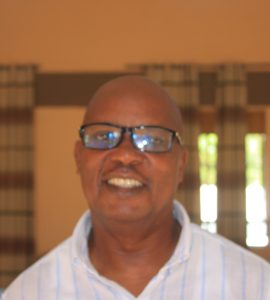
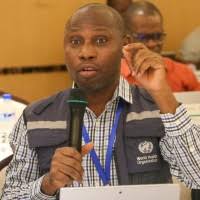
Prof.Edgar Mugema Mulogo,Dept of community health
He adds that bridging these gaps can help communities better manage floods before, during, and after disasters.
Mr. Fred Mwebembezi, Coordinator of the RESHAPE Study under the Department of Community Health, notes that the study specifically aims at ensuring healthcare services continue even during disruptions caused by floods in flood-prone areas.
He says leaders are being engaged in matters related to resilience and disaster preparedness, especially in healthcare service delivery.
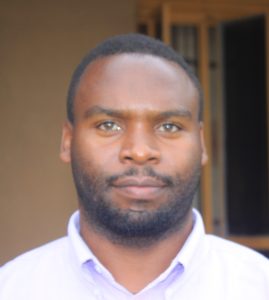
Fred Mwebembezi,cordinator RESHAPE study
Participants reviews some of the existing preparedness structures within healthcare systems, including limited communication systems, lack of a common vision and purpose, and inadequate climate and health financing, among others.
From the discussions, researchers will continue engaging stakeholders and documenting participants’ views while also offering training on handling healthcare services during and after floods.
Mwebembezi further calls on stakeholders, NGOs, and development partners to unite in supporting healthcare services, especially in anticipation of floods.
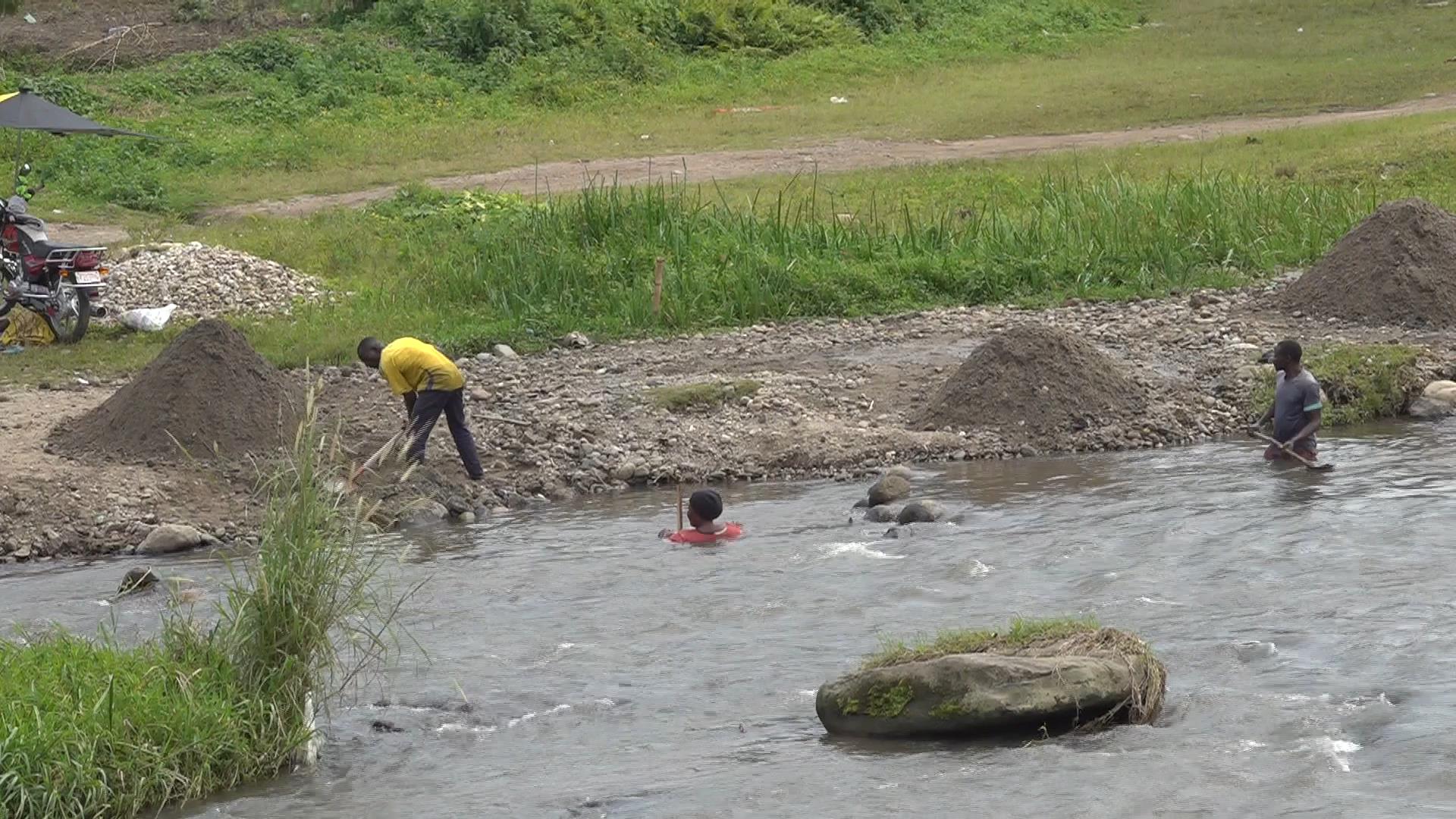
He also urge residents to observe government regulations requiring a 30 to 50-metre riverbank reserve with vegetation cover, saying this helps protect rivers from flooding.
Mr. Alex Masereka, the Kasese District Forestry Officer, emphasize the importance of terracing, mulching gardens, and planting trees on hilly areas to prevent soil erosion and landslides.

Alex Masereka,Kasese district forestry officer.
Alex adds that running water is dangerous to human life because it contributes to diseases such as malaria and dysentery. He encourages residents to harvest rainwater in tanks to reduce water accumulation in valleys.
Meanwhile, Dr. Mukokoma Godfrey of Rukoki General Hospital calls on stakeholders, including Village Health Teams (VHTs), to quickly refer disaster victims to health facilities and work closely with emergency rescue teams.
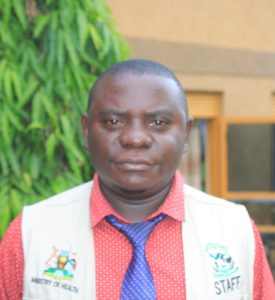
Dr Mukokoma Godrey,community health officer
He also urges communities to pay attention to early warning systems and respond promptly.
Dr. Mukokoma asks every individual to become an ambassador in the fight against disasters, noting that disasters are common during the rainy season and that it is everyone’s responsibility to spread awareness and support preparedness efforts.
Disasters, mainly catastrophic floods and landslides triggered by heavy rains, frequently devastate Kasese District, causing deaths, displacement of thousands of residents, and destruction of infrastructure and farmland.
Over 13 years of recurring disasters have claimed more than 60 lives and caused losses exceeding UGX 86 billion, severely affecting agriculture and community stability.
Key impacts of disasters in Kasese include:
Displacement and Homelessness: Recurring floods from rivers such as Nyamwamba, Mubuku, and Nyamugasani have forced residents into temporary camps, displacing thousands of households over the past decade.
Destruction of Livelihoods: Thousands of acres of crops, including maize, beans, and cassava, have been destroyed, while fish ponds and livestock have been lost, affecting food security and household incomes.
Infrastructure Damage: Schools, homes, and health facilities, including hospitals, are frequently flooded, disrupting education and healthcare services.
Health Hazards: Flood-affected communities face increased risks of disease outbreaks, especially in crowded displacement camps.
Environmental Degradation: Deforestation, poor farming practices, and quarrying in mountainous areas have worsened the severity of floods and landslides.
In response, the district is strengthening disaster preparedness, with organizations such as Mbarara University of Science and Technology implementing projects aimed at increasing resilience against recurrent climate-related disasters.